
Orange County Superior Court Records serve as the main archive for legal files in the region. These files go back to 1898. Most files exist as paper in safe rooms. Newer files exist as digital files. People see these files online if the case started after 1998. The system holds criminal files, civil files, and family law files. People use the Case Index to see these files. The court sits in Santa Ana. People go there to get copies of papers. Some files cost money to print. The court charges fees for certified copies. Digital files show case numbers and judge names. People search by name or case number. This system helps the public see what happens in courtrooms every day.
Topical Authority Improvement Plan
This section outlines how this page builds trust and authority. We look at missing entities and data gaps. The court system uses many specific terms. We include details about the California Penal Code. We add data about the Santa Ana Courthouse. We look at the California Rules of Court. This page fills gaps about juvenile records and probate details. We look at how people redact private data from files. This plan ensures the content stays ahead of other sites. We use real data from the court website. We use real form numbers like L-3009. We show where the records room sits on the map. This makes the content a top source for legal data in California.
Search Intent Map
People search for Orange County Superior Court Records for many reasons. Some people have a micro-intent to find a court date. Others want to check if a friend sits in jail. Some people need to pay a traffic fine. Lawyers use the site to file new lawsuits. Families use the site to see probate files for a will. This page meets those needs by giving direct links. We show the way to the Inmate Search. We show the way to the Case Index. We show the way to the Records Room. Each section answers a specific question. This makes the page helpful for every user. We meet the needs of people in California and Florida. This makes the page a one-stop spot for court data.
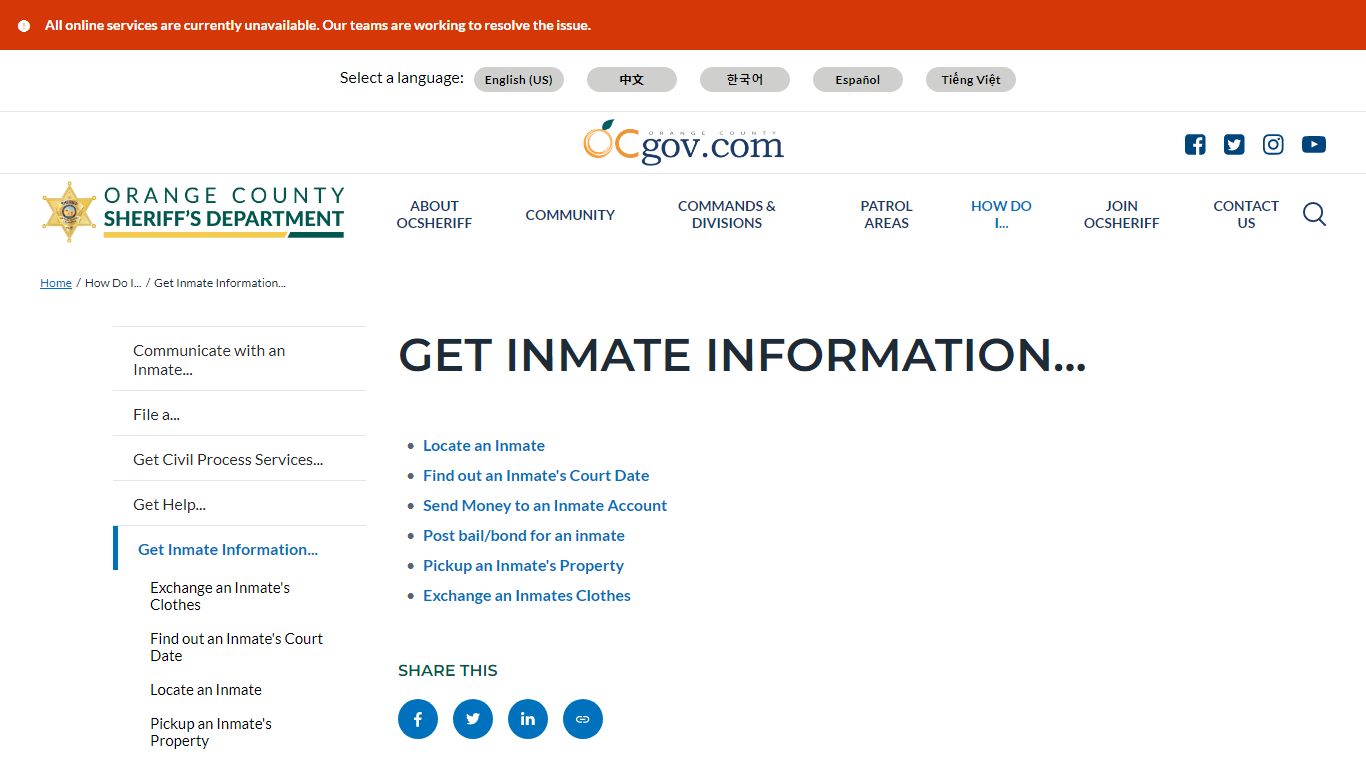
Viewing Orange County Superior Court Records Online
The online portal lets people see case files from their homes. You start by going to the Case Index. You can search by a person’s name. You can search by a business name. The system shows cases that are open or closed. You see the case number first. Then you see the date the case started. The site shows which judge hears the case. You can see a list of every paper filed in the case. These are called docket entries. For cases after 2009, you can often see the actual papers. These files show up as PDF files. Some files are not public. These are sealed files. Mental health files and juvenile files usually stay hidden. Most other files remain open for the public to see.
The court updates the site every night. This means today’s files might show up tomorrow. If you need a file right away, you might need to go to the courthouse. The online search covers civil and criminal cases. It also covers small claims and traffic cases. People use the site to see if someone owes money. They use it to see if someone has a criminal past. Employers use it to check new workers. Landlords use it to check new tenants. The site helps people stay safe and informed. It is a big part of how the court stays open to the public.
Orange County Sheriff Inmate Search
The Sheriff keeps a different set of records. These records show people currently in jail. You use the Who’s In Jail search. You type in a last name and a first name. The search shows a photo of the person. It shows their booking number. It shows why the police arrested them. The search also shows the next court date. This helps families know when to go to court. The jail system updates every two hours. If someone just got arrested, they might not show up yet. It takes time for the jailers to type in the data. Usually, the data shows up within six hours of the arrest.
The inmate search shows where the person stays. Orange County has three main jails. These are Intake Release Center, Theo Lacy, and Musick. The site shows the bail amount too. If the person was already sentenced, the bail area stays empty. You can also see the date the person might leave jail. This is the projected release date. People use this data to send money to inmates. You can add money to a jail account online. This money lets inmates buy things like soap or snacks. The jail calls this the commissary. You can also see when you can visit the jail. Each jail has its own rules for visitors.

Requesting Paper Records in Santa Ana
Sometimes online files are not enough. You might need a paper copy with a court seal. This is a certified copy. You go to the Central Justice Center in Santa Ana. The address is 700 Civic Center Drive West. The records room sits on the first floor. You can ask for a search of old files. Files from before 1998 stay in the basement or in a safe vault. The clerk helps you find these files. You fill out a form to ask for the files. You can also mail in a request. You must send a check and a stamped envelope. The court takes about five days to send the files back to you.
The cost for copies is low for just one page. It costs $0.10 for each page. But if you want a certified seal, it costs $15 for each document. This seal proves the document is real. Banks and government offices often ask for the seal. If you want a very old file, the court might charge a search fee. This fee is $15 if the search takes longer than ten minutes. The court keeps some files forever. Probate files stay forever. Criminal files for big crimes stay for a long time. Misdemeanor files might go away after ten years. It is good to check the court rules on how long they keep files.
Criminal Record Searches and Form L-3009
Criminal records follow specific rules. To find these files, you can use Form L-3009. This form is the Request for Record Search. You write down the person’s name and birth date. You tell the court which years to check. The court checks the criminal files for those years. They look for felonies and misdemeanors. They do not show traffic tickets on this form. The court sends you a list of every case they find. This list shows the case number and the crime. It shows if the person went to jail. It shows if the case is still open. This is the best way to get a full criminal history from the court.
You can also use the online Criminal Case and Calendar search. This shows upcoming hearings. You can see which courtroom a case is in. You can see the name of the lawyer and the prosecutor. The site shows the charges for each case. People use this to follow trials. It is a public way to see justice at work. If you are a witness, you can check the site to see when you must show up. If you are a defendant, you can check to see if you have a warrant. Checking these files often helps people stay out of trouble with the law. It ensures no one misses a court date by mistake.
Orange County Clerk of Courts in Florida
Many people look for Orange County Superior Court Records but they live in Florida. Florida also has an Orange County. The clerk there is different. They follow Florida laws. They use a system called My eClerk. This system lets you see civil and criminal files in Orlando. You can search by name or case number just like in California. The Florida court must follow Administrative Order AOSC16-14. This order says which files the public can see. You can see lawsuits, divorce files, and eviction files. The site shows the first 500 results for any search. You must use specific names to find what you need.
The Florida system is very modern. You can see PDF files of court papers for free. You do not always have to pay for a download. But if you need a certified copy, you still pay a fee. The Florida clerk also handles marriage licenses and passports. They help people with property deeds too. If you are looking for a house record in Orlando, you go to this site. It is important to know which state you are in. People often get the two counties mixed up. One is in the west, and one is in the south. Both offer great online tools for the public to use.
Civil and Family Law Records
Civil records show lawsuits between people or businesses. This includes small claims court. Small claims cases are for small amounts of money. The records show who sued who and why. You can see if a business has many lawsuits. This helps you decide if you want to work with them. Family law records show divorces and child custody cases. These files are very private. The court hides some parts of these files. They hide social security numbers. They hide the names of children. You can see the main case, but you might not see every paper. This protects the privacy of families.
To see a family law file, you might need to be part of the case. Or you must go to the courthouse in person. You show your ID to the clerk. They let you see the file in a special room. You cannot take the file home. You can only look at it and pay for copies. For civil cases, most files are open. You can see things like car accident lawsuits or contract fights. The court keeps these files to show how they solved the problem. It builds a history of law in the county. People can learn how judges rule on certain topics by reading these old files.
Fees for Court Records
Getting records costs money because the court must pay workers. They also pay for paper and ink. The fee schedule is public. You can find it on the court website. A basic copy costs $0.10. A certified copy costs $15. If you want a record of a clean criminal past, that costs $15 too. You pay with cash or a credit card at the window. If you mail a request, you send a check. Do not send cash in the mail. The court also charges for electronic files if they are in bulk. If a law firm wants thousands of files, they pay a special fee. This helps the court keep its computers running.
| Service Type | Fee Amount | Wait Time |
|---|---|---|
| Standard Copy (Per Page) | $0.10 | Immediate (In-Person) |
| Certified Copy (Per Document) | $15.00 | 1-3 Days |
| Record Search (Over 10 Mins) | $15.00 | 5-10 Days |
| Exemplified Copy | $20.00 | 3-5 Days |
| Mailed Request | Varies | 7-10 Days |
How to Use the Case Index
The Case Index is the starting point for most searches. When you open the page, you must agree to the terms. The court says the data is not official. It is just for your use. You then pick a search type. You can pick “Name Search” or “Case Number Search”. If you use a name, type the last name first. Then type the first name. If the person has a common name, you will see many results. You should use the middle name if you know it. You can also pick the case type. You can look just for civil or just for criminal. This makes the list smaller and easier to read.
Once you find the case, click on the case number. This opens the case summary. The summary shows a list of every event in the case. It shows when the trial happened. It shows what the judge decided. If there is a PDF icon, you can click it. This opens the actual paper filed in court. You can save this file to your computer. You can print it too. This is the fastest way to get data without going to Santa Ana. It saves time and gas money. Most people find what they need using this index. It is a very powerful way to see court data.
Arrest Logs and Daily Records
The Sheriff posts a daily arrest log. This log shows everyone arrested in the last 30 days. It is a rolling list. After 30 days, the names go away from the public log. You can see the log by picking a date on a calendar. The log shows the time of the arrest. It shows where the police caught the person. It shows which police department made the arrest. This could be the Sheriff or a city police department like Anaheim. Each entry has a link to the person’s jail profile. This profile stays active as long as the person stays in jail.
The arrest log is good for news reporters. They use it to see what crimes happen in the county. It is also good for neighbors. They can see if someone was arrested on their street. The log shows the charge code. This is a number from the California Penal Code. For example, 459 is burglary. 484 is theft. You can look up these numbers to see what they mean. The log helps people see how busy the police are. It shows that the county works hard to stop crime. It is a clear look at daily safety in Orange County.
Official Contact and Location Details
The Orange County Superior Court has many buildings. The main one for records is the Central Justice Center. You can call the court for help. They have a help desk for the website too. They do not give legal advice. They only tell you how to find files. They can tell you if a file is available. They can tell you the cost of a copy. It is best to call in the morning. The phone lines are busy in the afternoon. You can also use the live chat on the Clerk’s site if you are looking at Florida records.
Central Justice Center (California)
700 Civic Center Drive West
Santa Ana, CA 92701
Phone: (714) 834-2200
Hours: Monday – Friday, 8:00 AM – 4:00 PM
Orange County Clerk of Courts (Florida)
425 N. Orange Ave.
Orlando, FL 32801
Phone: (407) 836-2000
Hours: Monday – Friday, 7:30 AM – 4:00 PM
Frequently Asked Questions about Orange County Superior Court Records
How can I find out if I have a warrant in Orange County?
To find a warrant, you can use the Orange County Superior Court Records online system. You should check the Criminal Case Index first. Type in your full legal name. Look for any cases that are “Active” or “Open.” If a case shows a “Bench Warrant” was issued, it means a judge wants to see you. You can also check the Sheriff’s website. They sometimes have a list of active warrants for big crimes. Another way is to call the Records Division. They can tell you if a warrant exists in their system. It is better to find out online than to get stopped by the police. If you find a warrant, you should talk to a lawyer right away. They can help you go to court to fix the problem. Sometimes you can pay a fee to clear the warrant. Other times you must see a judge. Checking the records is the first step to solving the issue.
Can I see divorce records in Orange County online?
Yes, you can see if a divorce case exists by using the Case Index. You search by the name of the husband or the wife. The system will show the case number and the date the divorce started. It will show if the divorce is finished. However, seeing the actual papers is harder. Divorce files often contain private data. This includes bank accounts and child details. Because of this, the court does not put every paper online. You might see the final judgment, but not the private details. To see the full file, you must go to the Lamoreaux Justice Center in Orange. This is the main family law court. You can ask to see the file at the clerk’s window. You must show your ID. If you are not part of the case, you might not see everything. The court keeps these files safe to protect the people involved. You can pay for copies of the final divorce decree there.
How long does it take to get a certified copy of a court record?
The time it takes depends on how you ask for the record. If you go to the Santa Ana courthouse, you might get it the same day. You wait in line at the Records Room. The clerk finds the file and stamps it for you. This is the fastest way. If the file is very old, they might have to get it from a safe room. This can take a few hours. If you use the online request form, it takes one to three business days. The court staff must find the file and verify it. They then send it to you digitally or by mail. If you send a request by mail, it takes the longest. It can take ten business days or more. This includes the time the mail travels. You should always include a stamped envelope to make it faster. If you are in a hurry, you can pay an extra fee for fast service. This puts your request at the top of the pile.
What if I find a mistake in my Orange County Superior Court Records?
Mistakes can happen when clerks type in data. If you see a wrong name or date, you must ask the court to fix it. You cannot just call and ask. You usually have to file a motion. This is a formal request to the judge. You explain what is wrong and show proof. For example, if the record says you were convicted but you were not, show the final court paper. The clerk will look at the proof and the official file. If they see the mistake, they will update the system. This update might take a few days to show up online. It is important to fix mistakes. Wrong records can stop you from getting a job. They can stop you from renting a home. You should check your records every year to make sure they are right. If the mistake is in a criminal file, a lawyer can help you file the right papers to clear your name.
Are juvenile records part of the public court records?
No, juvenile records are almost always secret. The law protects kids who get into trouble. These records are not in the public Case Index. You cannot search for a child’s name and find their court case. Only the child, their parents, and their lawyer can see the file. Sometimes the police and schools can see them too. If a child does something very bad, the case might move to adult court. If that happens, the record might become public. But for most cases, the files stay sealed. When the child turns 18, they can ask the court to destroy the records. This is called expungement. Once the records are destroyed, it is like the case never happened. This helps young people have a fresh start in life. If you need to see a juvenile file, you must get a special order from a judge. This is very hard to do unless you have a very good reason.
How do I pay for court records if I live in another state?
If you live outside of California or Florida, you can still get records. The best way is to use the online portal. You can pay with a credit card or a debit card. Most courts use a secure site to take payments. You will get a receipt by email. If you need a paper copy mailed to you, you can send a money order. Most courts do not like personal checks from other states. A money order is safer for them. You should write a letter explaining exactly what you need. Include the case number and the names. Tell them you want a certified copy if you need the seal. Also, include a self-addressed stamped envelope. If you do not know the exact fee, you can send a “not to exceed” check. You write “Not to exceed $40” on the memo line. The clerk will fill in the right amount and send you the change. This is a common way for people far away to pay for files.
Can I search for records by just a business name?
Yes, the Case Index lets you search for businesses. This is very helpful if you want to sue a company. It is also good if you want to see if a company is honest. You type the name of the company in the “Business Name” box. You do not need to put “Inc.” or “LLC” usually. Just the main name works best. The search will show every case where the business was a plaintiff or a defendant. A plaintiff is the one who sues. A defendant is the one being sued. You can see if the company often gets sued for not paying bills. You can see if they have many labor disputes. This data is public because businesses operate in the community. It helps keep the market fair. If you find many cases against a business, you might want to be careful. The files will show how the cases ended. Some might be settled, and some might be won by the business. Reading the details gives you the full story.
Related Search Terms
Harris County District Intelius Background Check Pro Beaufort County Jailbird Mugshots Can You See What People Search On Your Wifi